

Addiction: It's Not About Willpower, It's About Your Brain (and Your Pain)
Updated: Feb 28
We've all heard it before. "Just stop." "Can't you just quit?" "You just need more self-control."
Whether it's smoking, drinking, overeating, gambling, or even scrolling on social media, the common advice often boils down to the same thing: use more willpower. But if only it were that simple.
The truth is, addiction isn't a matter of weak willpower or a lack of self-control, it's a complex battle happening in your brain. And according to renowned addiction expert Dr. Gabor Maté, it's not even really about the substance or behavior itself. It's about something much deeper: the pain you're trying to escape.
Understanding how addiction works, both neurologically and emotionally, is key to breaking the cycle and finding real, lasting solutions.
The Brain's Reward System: When Survival Instincts Get Hijacked
At the heart of addiction is your brain's reward system. This system is basically a group of brain areas that release chemicals like dopamine to make you feel good when you do things that help you survive, like eating, connecting with people, or having sex.
Whenever you do something that feels good, your brain gives you a hit of dopamine, which makes you feel happy and satisfied, so you're likely to do it again. This system evolved to keep us alive.
But here's the problem: with addiction, substances or behaviors trick your brain into releasing way more dopamine than normal, sometimes up to 10 times more than natural rewards. This causes a huge rush of pleasure or relief, and your brain starts to link that behavior with feeling good, making you crave it more and more.
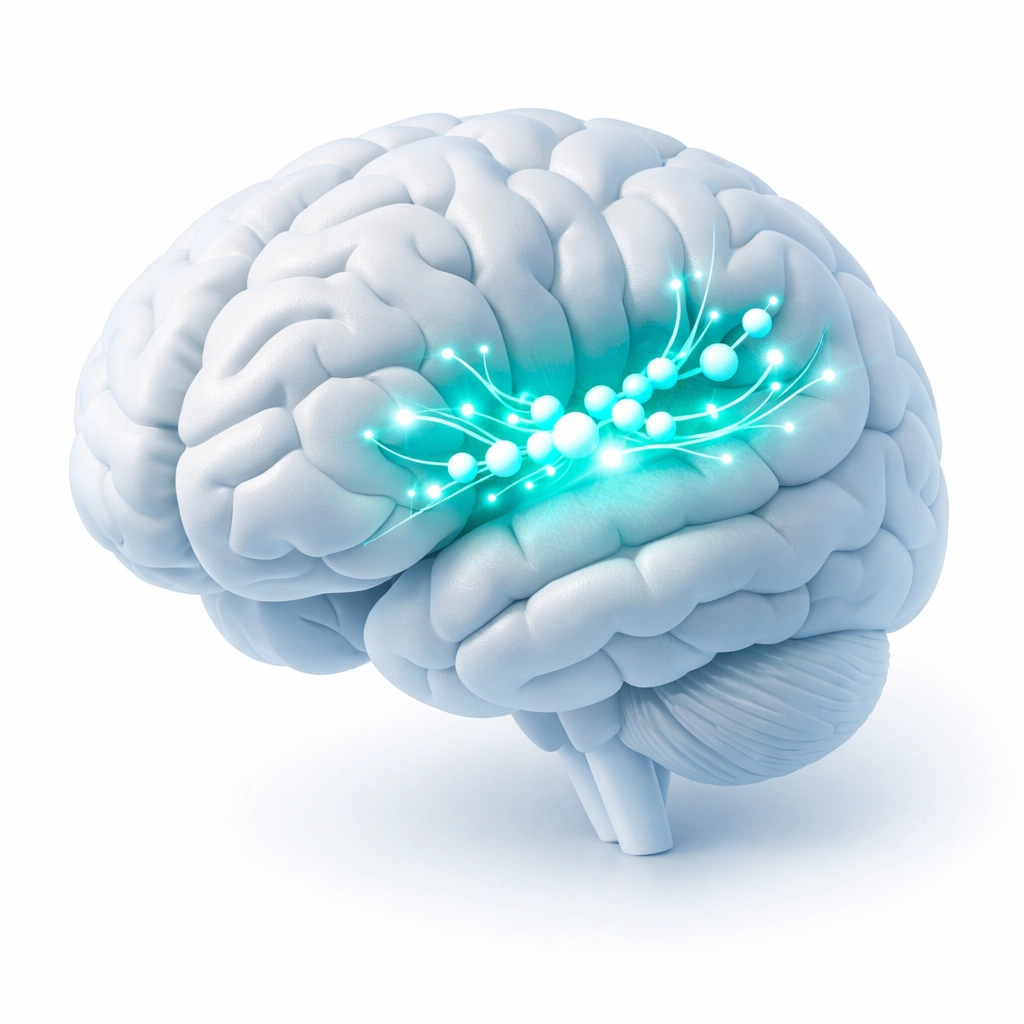
How Addiction Rewires the Brain
Over time, the brain becomes dependent on these substances or behaviors to produce dopamine, a process that literally rewires the brain's circuitry. This isn't a character flaw, it's a physiological change.
Here's what happens:
Tolerance: Your brain adapts by reducing dopamine receptors and their sensitivity. You need more of the substance or behavior to feel the same high. What used to give you relief now barely makes a dent.
The Reward System Gets Out of Whack: Everyday pleasures (like hanging out with friends, eating your favorite meal, or enjoying a sunset) feel less rewarding. Your brain has essentially recalibrated what "normal" feels like, and nothing natural can compete with the artificial dopamine flood.
Impaired Decision-Making: The prefrontal cortex, the part of your brain that helps with judgment, impulse control, and rational thinking, becomes less active. Meanwhile, the basal ganglia, which drives habit formation, becomes increasingly dominant. This means your brain seeks the substance or behavior compulsively, with reduced impulse control, rather than through conscious choice.
Heightened Stress Response: The extended amygdala becomes hypersensitive to stress, generating anxiety, irritability, and unease. This is what drives withdrawal symptoms and creates the desperate need to seek the substance, not for pleasure anymore, but just to feel normal again.
Research shows this clearly: after 14 months of abstinence from methamphetamine, the brain can return to near-normal dopamine functioning. The brain is remarkably resilient, but it takes time and the right support.
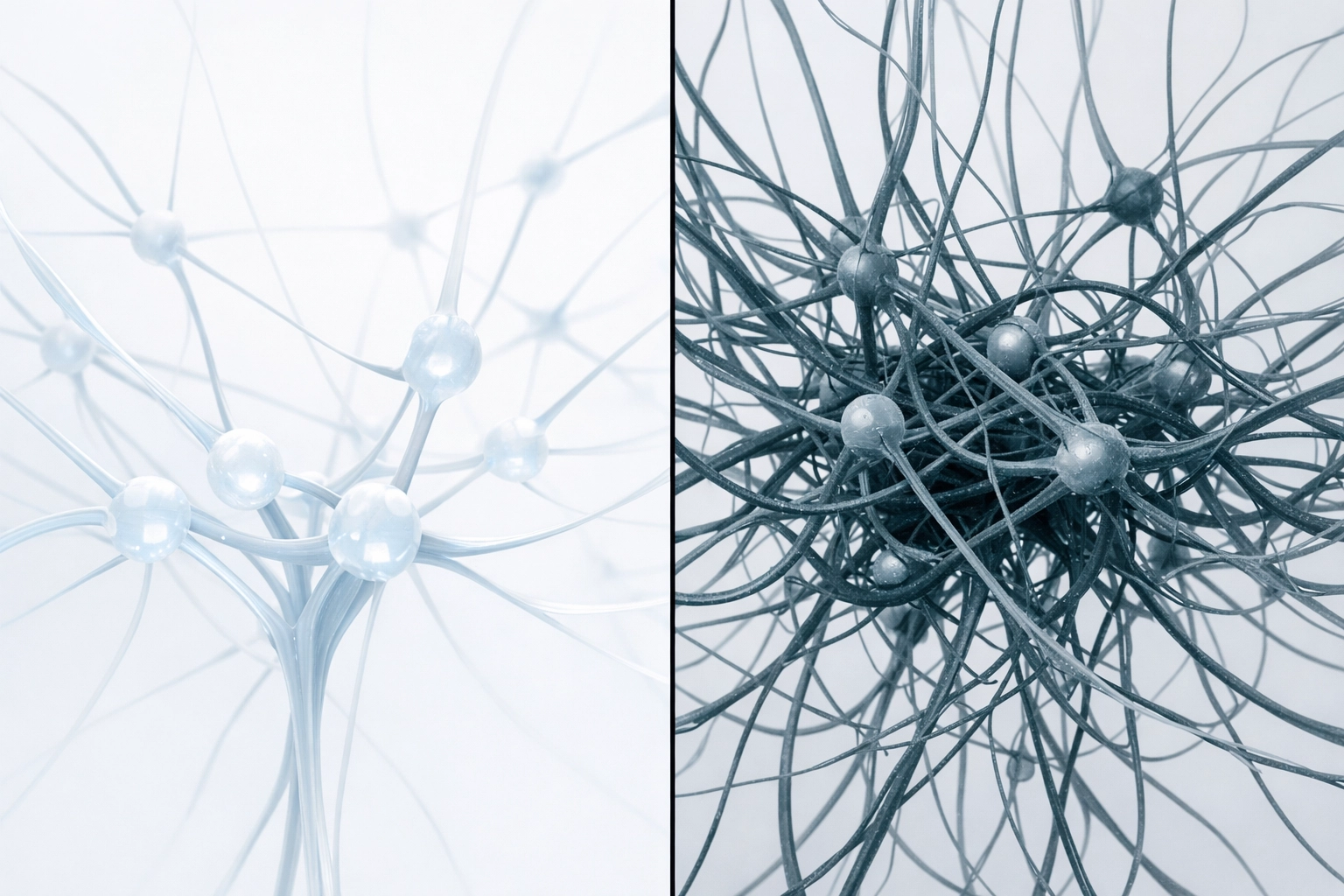
Gabor Maté's Question: Not Why the Addiction, But Why the Pain?
Here's where Dr. Gabor Maté's work becomes essential. Maté, a physician who has worked extensively with people struggling with addiction in Vancouver's Downtown Eastside, asks a different question than most: "Not why the addiction, but why the pain?"
In his groundbreaking work, Maté argues that addiction is rarely about the substance itself. It's a compensatory attempt to solve a problem, usually rooted in trauma, emotional pain, or unmet needs from childhood.
When someone uses drugs, alcohol, food, or compulsive behaviors, they're often trying to:
Escape unbearable emotional pain
Soothe anxiety or depression
Fill a void left by early trauma or neglect
Numb feelings of shame, loneliness, or worthlessness
Self-medicate symptoms they don't have words for
Maté explains that addiction is an attempt to regulate emotions and find relief when your internal world feels unbearable. It's not about being weak or making bad choices, it's about trying to survive emotional pain the only way your brain knows how.
For many people in York Region, Durham Region, and across Stouffville and Markham, unresolved trauma, childhood adversity, chronic stress, or mental health challenges create the perfect storm for addiction to take hold. The substance or behavior becomes the solution, until it becomes the problem.
Why Willpower Doesn't Work
Here's the hard truth: addiction is a physical and neurobiological change in your brain. Relying on willpower alone to stop is like trying to run a marathon with a sprained ankle, it's not going to work.
As one addiction scientist put it: "It's not about willpower...It's about the brain adapting, and sometimes those changes are deep and persistent."
When you try to quit through sheer willpower, you're fighting against:
Altered brain chemistry: Your dopamine system is out of balance, and natural pleasures don't feel rewarding anymore.
Withdrawal symptoms: Irritability, poor sleep, low mood, difficulty concentrating, and physical discomfort that typically peak within three days and can last weeks.
Cravings: Your brain has linked the substance or behavior with survival-level urgency. The craving isn't just psychological, it's hardwired.
Unresolved pain: If you're using addiction to cope with trauma, anxiety, or emotional wounds, removing the coping mechanism without addressing the underlying pain leaves you defenseless.
This is why understanding addiction as a medical condition, not a moral failing, is so critical. You wouldn't tell someone with diabetes to just "try harder" to regulate their blood sugar. Addiction requires the same level of compassionate, evidence-based care.
The Real Solutions: Healing Your Brain (and Your Pain)
So, how do you break free? It's not about trying harder, it's about giving your brain and your heart the time, tools, and support to heal.
Here's what actually works:
Professional Help: Therapy, particularly trauma-informed therapy, can help your brain recover while addressing the underlying pain. Certified Addiction Counsellors understand both the neurobiology and the emotional roots of addiction. Medications can also support your brain's healing process.
Support Systems: Surrounding yourself with people who get it, whether that's group therapy, 12-step programs, or supportive friends and family, makes a massive difference. Isolation fuels addiction; connection heals it.
Addressing the Pain: This is where Maté's wisdom becomes practical. Working with a therapist to explore and heal the trauma, emotional wounds, or unmet needs that fueled the addiction is essential. Our team at White Brick Therapy specializes in this kind of deep, compassionate work.
Stress Relief and Nervous System Regulation: Finding healthier ways to cope, like exercise, mindfulness, breathwork, or somatic therapies, can retrain your brain and body. These practices help regulate your nervous system and rebuild your natural capacity for pleasure and calm.
Patience and Self-Compassion: Recovery takes time. Focus on small, positive changes instead of instant results. Your brain can heal, but it needs consistent support and kindness, not shame or punishment.
You're Not Broken, Your Brain Is Healing
If you're struggling with addiction, please hear this: it's not your fault. You're not weak, broken, or lacking in willpower. Your brain got hijacked, and you've been doing your best to survive pain that felt unbearable.
But here's the good news: your brain is incredibly resilient. With the right support, treatment, and time, you can heal. Your dopamine receptors can return to healthier levels. Everyday pleasures can feel good again. You can play with your kids, eat a good meal, and feel connected: without needing a substance to make it happen.
At White Brick Therapy, our Certified Addiction Counsellors understand both the neuroscience and the heart of addiction. We'll help you explore not just why the addiction, but why the pain: and walk with you toward real, lasting healing.
You deserve support. You deserve compassion. And you deserve a life where you're no longer running from the pain: but healing it.
White Brick Therapy – Providing psychotherapy services in Stouffville and surrounding areas in the York and Durham Regions.
Virtual therapy Ontario
Online counselling Ontario
Online therapist Ontario
Stouffville therapist
York Region counselling
Couples counselling York Region
EMDR therapy
EMDR for trauma
Addiction counselling
Trauma therapy
Anxiety treatment
Anxiety therapy near meTeen therapy
Child therapist OntarioCouples counselling


Comments